When an alarm sounds and a hundred various reactions start, the building aims to someone for direction: the chief warden. Leading an Emergency Situation Control Organisation is not regarding having the loudest voice or the brightest vest. It is about calmness decisions under pressure, choreography of people and details, and regimented technique long before anything fails. The national system PUAFER006 Lead an Emergency Control Organisation formalises those expectations, however the real examination is just how you act in the initial two mins of a crisis.
This guide unboxes the expertises behind PUAFER006, shows where it fits together with PUAFER005 Operate as part of an ECO, and offers hard‑won lessons from drills and live events. If you are planning for a chief warden course, constructing an emergency warden group, or making clear fire warden requirements in the workplace, you will certainly find practical benchmarks here.
What "leading the ECO" really means
An Emergency Control Organisation is the framework that manages an occurrence inside a facility until the arrival of external responders. In a little workplace that may be a chief warden, a communications warden, and 2 area wardens. In a healthcare facility it could be lots of wardens across numerous zones, each with replacements, runners, and first aiders.
PUAFER006 identifies that leading this group is an unique obligation. Where PUAFER005 Operate as part of an emergency control organisation focuses on specific warden obligations, PUAFER006 expects you to set technique, allocate jobs, and control details. During a smoke event from a server area, for example, the chief warden has to establish whether to leave, present a sanctuary in place, or isolate and monitor. That call rests on input from wardens, the panel, facility systems, and your very own risk judgment.
I have seen brand-new chief wardens wait on best information and shed a crucial minute of momentum. Similarly, I have actually seen brash wardens call a full discharge for a charred salute alarm system and set off crowding on stairways that put individuals at greater danger. Leading the ECO is about balancing activity with confirmation within clear plans.
The proficiency back of PUAFER006
The device breaks down into a set of verifiable capabilities that, together, develop the backbone of efficient case control. Trainers might package them in different ways, yet the material stays consistent.
Leadership under unpredictability. You warden course require to release succinct directions when signs are insufficient. That indicates setting a preliminary pose, for instance, "explore and standby," after that intensifying or de‑escalating as info can be found in. The best principal wardens tell decisions in ordinary language so the team comprehends intent.
Information management. Alarm system panels, CCTV, wardens' reports, owner phone calls, BMS notices, and professional inputs all contend for attention. A useful approach is to designate a solitary communications point, generally at the Emergency Control Factor, and standardise message styles: area, nature, activities taken, resources required. It sounds fundamental, however disciplined wording saves mins and prevents duplication.
Resource coordination. You route wardens, initially aiders, safety, and occasionally professionals. That includes positioning, relief, and safety and security for the ECO itself. Throughout a chemical spill on a warehouse floor, we revolved wardens at five‑minute intervals because of fumes in the external location. Without that turning, awareness drops and mistakes sneak in.
Procedural compliance with adaptability. You have to understand the emergency strategy cool, however also acknowledge when problems require deviation. In a fire door refurbishment situation, the planned emptying path could be compromised. Under PUAFER006, you are anticipated to discover the deviation and reroute safely, not plough ahead because the manual said so.
Interface with exterior services. When fire teams show up, the chief warden offers a succinct handover, then sustains their operation by preserving cordons, resident control, and systems details. A sharp handover is less than one minute and consists of constructing design, fire panel factors, threats, status of passengers, and systems actions taken.
Post event management. Accountability does not end with the all‑clear. You require to collaborate the debrief, assemble occurrence records, initiate restorative actions, and recover regular procedures. Great principal wardens treat each event as a learning loophole for the ECO and the business.
How PUAFER006 and PUAFER005 relate
Think of PUAFER005 as the structure and PUAFER006 as the command layer. The initial trains wardens to examine shower rooms, close doors, sweep areas, aid individuals with special needs, and report conditions. The second trains you to turn those wardens right into a synchronised team. In a real structure you want both. A robust warden course for the group, often called fire warden training or emergency warden training, develops the muscle mass memory for activity. A concentrated chief warden course constructs decision top quality and control.
Most training companies bundle PUAFER005 course and PUAFER006 course components together or in sequence. If you take care of training for several sites, run PUAFER005 operate as part of an emergency control organisation early and revitalize every year, then cycle your likely future leaders through chief warden training every a couple of years. Skills fade if they are not exercised.
The chief warden identification, hats, and colours
Yes, the hat inquiry comes up more frequently than you would believe. Each site follows its own plan, yet across Australia there is a typical convention drawn from AS 3745. Fire wardens commonly put on red, communications white, and the chief warden commonly wears white with a black band or completely white. So what colour helmet does a chief warden wear? In many workplaces the chief warden hat colour is white. The chief fire warden hat colour is the same. Fire warden hat colour hints make it easy for passengers and responders to find authority during an evacuation.
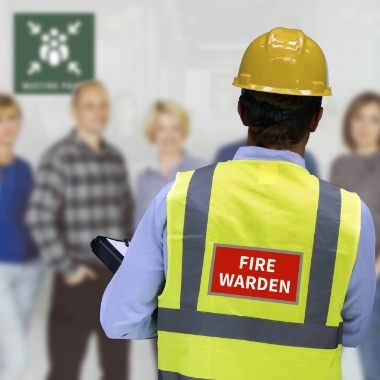
Uniform aspects just help if you back them with regular visibility and behavior. A chief warden who shows up at drills, checks evacuation layouts, and reacts without delay constructs depend on. That trust keeps individuals paying attention when you need them to move promptly but calmly.
Core circumstances to master
PUAFER006 expects proficiency throughout numerous emergency situation kinds, not simply fire. In technique, you ought to rehearse a minimum of 5 high‑frequency or high‑impact occasions for your center type. The following examples illustrate the choices that distinguish ample from excellent.
Fire alarm, unidentified reason. The panel shows a detector triggered on Degree 3 near a kitchen space. Preliminary action is examine and standby. The nearby area warden transfers to validate while the chief warden placements at the control factor, checks CCTV if readily available, and prepares messages. If smoke shows up or the warden records warm, boost to partial evacuation of the affected zone. A complete structure evacuation might be excessive in a tower with zoned pressurisation, but you have to consider smoke migration, vulnerable residents, and system standing. Statements need to be clear and quick, with repeats every 60 to 90 seconds till the evacuation phase ends.
Hazardous spill. A pallet drops and fractures a drum of solvent. The chief warden isolates the area by shutting doors and limiting air motion, verifies the Safety Data Sheet, starts a targeted emptying, and locks out ignition sources. Calling an exterior HAZMAT device early pays rewards. The error I see is over‑evacuation that sends people past the danger. Alternative leave courses need to belong to the plan, and the ECO needs to practice their signs and stewardship.
Medical emergency in a crowd. A person collapses throughout an entrance hall occasion. The chief warden designates a warden to crowd control, safeguards an AED, and produces a hallway for paramedics. If the individual is contagious or there is a bloodborne threat, the ECO must escalate cleaning procedures and call tracing according to the health insurance. The failure pattern is too many helpers, not nearly enough space and air. The most effective chief wardens hold the perimeter and keep spectators out while the very first aiders work.
Power failing with lift entrapments. Power outages raise anxiety quickly. The chief warden sets off resident messaging to conserve phone batteries and sit tight unless an emptying is necessary. Protection collaborates with the lift contractor while wardens move stairwells to look for stuck individuals. If smoke air flow relies on power, you must examine whether to keep people in position or relocate them to more secure zones. After 10 to 15 minutes, give a condition upgrade also if absolutely nothing has altered. Silence types panic.
Threats to individual safety. Hostile persons or suspect packages require a various stance. You might require to secure down, restrict accessibility, and divert people far from locations without advertising the factor extensively. The interactions stance issues. Common language such as "avoid the lobby and follow warden instructions" shields privacy and lowers risk until police arrives.
Building a capable ECO: employment, training, and refreshers
Emergency warden employment is frequently volunteer, and you take what you can get. That does not imply you accept whoever initially elevates a hand for every duty. An efficient chief warden puts together a group with three qualities in mind: integrity, interaction, and mobility. Dependability shows in preparation at drills and a practice of checking equipment without prompting. Interaction shows in clear radio skills and consistent tone. Mobility matters since a warden that has problem with stairs might be better put in the interactions cell than on floor sweeps.
The fire warden course covers hazard recognition, evacuation treatments, methods for aiding persons with impairment, and devices such as extinguishers. The chief fire warden course constructs tabletop exercises and circumstance command. Blend both with website specifics. Generic training without site context produces false confidence. Your property has its very own quirks, from the fire panel touchscreen to door hold‑open magnets and stair pressurisation sequences.
Fire warden training requirements vary by territory and danger account, but generally of thumb aim for annual warden training and six‑monthly emptying exercises. New wardens ought to complete a warden course within their initial month and shadow an elderly warden in the following drill. For chief warden requirements, add management refresher courses, radio technique technique, and at the very least one unannounced circumstance per year to hone decision speed.
Communications technique and the radio problem
In the first minute of an incident, radios can turn to disorder if you have not pierced message structure. One website I collaborated with had 18 radios live during a lawn sprinkler activation. Every person talked simultaneously, and the chief warden missed out on the crucial update that the shutoff had been isolated. We repaired it with radio web discipline and brevity codes customized to the building.
Keep networks few and concentrated. If you have two channels, assign one to life safety and security and one to design or support, and park all nonessential babble. Usage phone call indications that match duties, not names. Practice closed‑loop interaction. When a warden acknowledges an instruction, they duplicate the key realities: "Location Warden South, evacuate Level 2 west wing to Setting up B, duplicate." That routine sets you back a second and prevents a lots errors.
For structures without radios, the interactions warden becomes the hub. They require a log, a quiet place, and the authority to triage inbound info. Smart phone are an alternative however delicate, specifically in a power event. Consider hard‑wired phones near stair doors, whiteboards for assignments, and joggers in high‑rise sites where radio propagation is patchy.
Evacuation nuances few talk about
If you have just ever before drilled a full structure evacuation on a warm early morning, you could be shocked at the friction points that arise under stress. Stairwell characteristics transform with pushchairs, walking sticks, and panic. Individuals sluggish at the initial spin in the staircase since they do not know what is in advance. Wardens who organize at landing transforms smooth the circulation and maintain individuals moving.
Assembly location option issues. Too close, and you crowd the exterior and impede responders. As well much, and you shed people to the coffee shop. Select an area that enables head count without roadway going across if possible. Have a second location if wind or threats make the initial dangerous. Record where you sent individuals, because -responders will ask.
Lifts are a touchy topic. Several modern-day structures have owner emptying lifts created for usage in fire under supervision. If your structure has them, your plan must include explicit directions, trained lift wardens, and liaison with the fire brigade. If your building does not, your ECO needs to manage presented activity so those that require more time start earlier. The chief warden controls the pace and keeps the stairwell from piling up.
Integrating persons with handicap and gain access to needs
Fire warden requirements in the work environment consist of planning for residents and site visitors with momentary and permanent gain access to demands. Do not rely on impromptu goodwill. Personal Emergency situation Emptying Strategies make a difference, however they only work if somebody possesses them and they are examined. In a multi‑tenant structure, control in between tenants helps stay clear of replication and gaps. Evacuation chairs need training and method in the actual stairwell. Assign sets to every device and practice handovers every landing.
In one drill at a health facility, a warden group attempted to muscular tissue an emptying chair with a single person. They made it, barely, and both were exhausted. The corrective activity was straightforward: add a 2nd warden, established the cadence, and train on the stopping system. PUAFER006 anticipates the chief warden to set criteria similar to this, examine them, and change based on evidence.
Documentation that earns its keep
Emergency strategies usually come to be shelfware, took out for audits and forgotten. That is a missed out on chance. The most effective plans I have seen do three points: they choose much easier throughout an emergency warden training event, they make training sensible, and they hold people liable afterward.
Make quick referral overviews for wardens and the chief warden that show your website, not common formats. Include panel screenshots, shutoff and isolation points, gas shutoff locations, and specialty risks such as lithium battery storage. Maintain the papers short. Laminated cards on lanyards or pockets work when nerves battle royal. Consist of a get in touch with waterfall for after hours and contractors that can close points down fast.
After each occasion or drill, the chief warden must lead a brief, time‑boxed debrief. What did we mean, what occurred, what helped, what hindered, what will certainly we transform by next quarter. Capture metrics like time to ECO activation, time to very first warden record, time to evacuation conclusion, and percent of wardens present. Run a rehabilitative actions log with owners and days. When auditors ask about chief fire warden responsibilities, reveal them the log. It is the practical evidence that the strategy is alive.
Working with structure systems, not against them
Modern buildings have complex user interfaces: fire sign panels, emergency situation warning and publication systems, smoke control systems, lawn sprinklers, gas detection, and more. Chief warden responsibilities consist of comprehending how these systems behave and exactly how your actions engage with them.
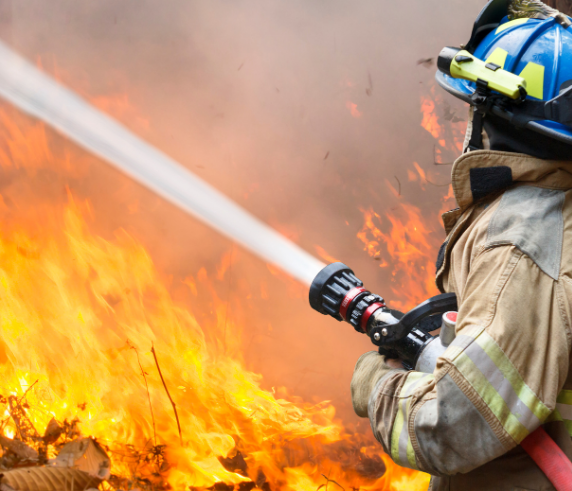
During a fire occasion, door releases, smoke exhaust followers, and stairway pressurisation can transform airflow dramatically. Propping stairway doors open defeats the pressurisation system and loads staircases with smoke. Wardens require to know why doors must remain shut, not just that they must.

Test your Public Address system levels throughout drills. In a hectic warehouse, forklifts drown out PA messages unless the audio speaker placement and volume are tuned. An interactions warden with a handheld loudhailer is a valuable back-up. Inspect that recorded messages are intelligible and match your plan language. If your EWIS claims one thing and your wardens state one more, people quit listening.
The visible and invisible components of authority
A chief warden hat and vest make you visible. What holds attention is integrity built in time. Reliability begins with punctual drills and expands with justness. During a method evacuation at a college building, we had one lecturer that constantly resisted due to "important content." The chief emergency warden managed it by seeing in advance of the following drill, describing the lawful and functional stakes, and using to time the workout to avoid his examination block. Compliance improved, and the ECO's standing rose.
Firmness issues throughout genuine events. If someone rejects to evacuate, wardens must not get into physical confrontations, yet the chief warden ought to tape-record the rejection and educate -responders. Construct the habit of de‑escalation scripts so wardens do not improvisate under stress.
Training formats that work
Death by slide show is a waste of everybody's time. A balanced program mixes short theory with walk‑throughs and situation play. For PUAFER006 lead an emergency control organisation training, I like to run a 30‑minute table top with a layout, tokens for wardens, and timed injects: an obstructed stair, a nervous customer, a 2nd alarm. Then we stroll the website and validate assumptions. The last block is a radio drill. The change in self-confidence after also one session is noticeable.
The carrier you choose for chief fire warden training ought to ask to see your strategy and adapt the scenarios. If they use just generic material, push back. Actual occasions resemble your building, not their slides.
Legal duties and functional thresholds
Chief fire warden requirements do not replace lawful duties under office health and safety regulations or state fire services legislation. If you manage a site, you are responsible for ensuring the fire warden requirements in the workplace are met: ample varieties of trained wardens, maintained systems, up‑to‑date diagrams, and tested treatments. Regulatory authorities and insurance providers do not accept "we intended to train them following quarter" after an avoidable injury.
At the exact same time, the legislation recognises that choices are made under unpredictability. Paper the basis for your choices during a case, specifically if you differ the strategy. If a stairwell was endangered and you presented a partial shelter in position, note the indications, the time, and the interactions. That record shows diligence.
The human factor: anxiety, exhaustion, and aftercare
After an intense event, ECO participants may feel a spike of adrenaline adhered to by a crash. Plan for that. Deal a brief time out before tossing people back into work. For cases involving injury, make employee support offered. Burnout displays in cynicism concerning drills and an enthusiasm to cut edges. Turn functions so the very same individuals are not constantly on the sharp end.
As chief warden, model calm and humility. Confess when something did not go as intended, possess the solution, and share the lesson. People react to authenticity.
A small checklist for primary wardens
Use this brief pre‑incident list to tighten your readiness in between formal training blocks.
- Know your strategy areas, ECO roster, and alternates. Check openings and fill up them. Walk your stairwells and verify door function, lights, and signage. Test radios and EWIS audibility in busy zones. Log issues and chase after repairs. Review high‑risk areas: cooking areas, plant spaces, battery storage space, contractors on site. Practice a 60‑second handover to fire solutions. Keep it crisp and relevant.
Selecting the best training for your team
Look for companies that examine your structure specifics before quoting a warden course or chief warden course. Ask just how they incorporate PUAFER005 and PUAFER006, what situations they make use of, and how they gauge proficiency. A great emergency warden course will consist of role play, site walk‑throughs, and an exercise involving your actual alarm systems and interaction paths.
If you have satellite websites or combined occupancy, think about a blended strategy. Deliver the fundamental warden training online for understanding, after that run on‑site practicals for wardens and a specialized chief fire warden course for the leaders. Maintain a basic matrix of that holds what, when it runs out, and that is next in line for chief warden responsibilities.
When it counts, people adhere to competence
The very first time you lead an online occasion, you will certainly feel the weight of the role. That is regular. PUAFER006 provides you the structured proficiencies, yet it is the repeating of drills, the creases functioned out of your website plan, and the relationships you build that turn training right into performance.
Whether you carry the chief warden hat or mentor the following person who will, purchase the fundamentals: clear plans, disciplined interaction, reasonable practice, and humane leadership. The day you need them, those financial investments pay off in silent stairwells, stable movement, and a building full of individuals that obtain home safely.
Take your leadership in workplace safety to the next level with the nationally recognised PUAFER006 Chief Warden Training. Designed for Chief and Deputy Fire Wardens, this face-to-face 3-hour course teaches critical skills: coordinating evacuations, leading a warden team, making decisions under pressure, and liaising with emergency services. Course cost is generally AUD $130 per person for public sessions. Held in multiple locations including Brisbane CBD (Queen Street), North Hobart, Adelaide, and more across Queensland such as Gold Coast, Sunshine Coast, Toowoomba, Cairns, Ipswich, Logan, Chermside, etc.
If you’ve been appointed as a Chief or Deputy Fire Warden at your workplace, the PUAFER006 – Chief Warden Training is designed to give you the confidence and skills to take charge when it matters most. This nationally accredited course goes beyond the basics of emergency response, teaching you how to coordinate evacuations, lead and direct your warden team, make quick decisions under pressure, and effectively communicate with emergency services. Delivered face-to-face in just 3 hours, the training is practical, engaging, and focused on real-world workplace scenarios. You’ll walk away knowing exactly what to do when an emergency unfolds—and you’ll receive your certificate the same day you complete the course. With training available across Australia—including Brisbane CBD (Queen Street), North Hobart, Adelaide, Gold Coast, Sunshine Coast, Toowoomba, Cairns, Ipswich, Logan, Chermside and more—it’s easy to find a location near you. At just $130 per person, this course is an affordable way to make sure your workplace is compliant with safety requirements while also giving you peace of mind that you can step up and lead when it counts.