The moment an alarm appears, individuals try to find leadership. In every structure that takes safety seriously, that leadership has a name: Chief Warden. The role rests at the junction of incident command, clear interaction, and useful danger control. Obtain it right, and you relocate thousands of people steadly toward security. Get it wrong, and an or else workable occasion can spiral.
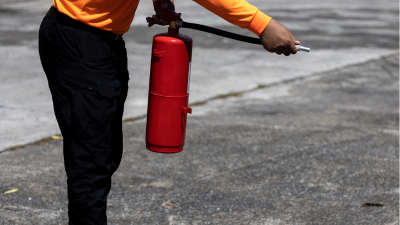
I have collaborated with safety groups across offices, hospitals, logistics sheds, and complicated schools. The best Chief Wardens share a handful of behaviors. They rehearse, they entrust, and they respect the changability of real emergencies. They additionally recognize the competencies defined in national devices such as PUAFER005 Operate as part of an emergency control organisation and PUAFER006 Lead an emergency control organisation, and they equate those expertises into building-specific actions.
This post unpacks the obligations of a Chief Fire Warden with the lens of occurrence command, communication approaches that stand up under pressure, and the practical safety and security controls that maintain individuals to life when problems transform quickly.
What the duty actually covers
A Chief Warden leads the emergency situation control organisation, or ECO, for a facility. That ECO includes flooring wardens, interactions officers, initially aiders, and assistance wardens who aid individuals with disability or wheelchair limitations. In many workplaces, the Chief Warden is additionally the head of a tiny command group that includes a Deputy Chief Warden, an Emergency Communications Officer at the fire indicator panel, and location wardens that report from their zones.
The Chief Warden is accountable for decisions regarding discharge timing and setting, coordination with emergency solutions, allocation of tasks to wardens, and the flow of info in between the building and -responders. That sounds tidy on paper. In technique, it includes judgment calls when info is partial and time is short.
A useful instance. In a ten‑storey office with a snack bar on level 3, an alarm system isolates to a cooking area detector and the reductions system has actually released. Smoke shows up on CCTV but not generally staircase. The Chief Warden must pick in between a staged emptying by zones or a complete structure emptying. At the exact same time, lifts are still running, and a service provider in the cellar is welding with a warm work license. The best phone call depends upon the strategy, the panel information, and trusted records from floor wardens.
Incident command, not just administration
A Chief Warden is an event commander up until fire and rescue take over. The command design is straightforward: develop control, collect info, choose, interact, and verify. The PUAFER006 lead an emergency control organisation device captures this leadership arc. It likewise stresses that command is scalable. In a small single‑storey facility, the Chief Warden may be the only warden on site initially. In a healthcare facility or distribution centre, they might have twenty wardens to deploy in waves.
Establishing control starts where info assembles. In numerous structures, that is the fire indicator panel, supported by a warden intercom or two‑way radios. The Chief Warden must physically locate at this point where feasible. If smoke or a danger keeps them away, the Replacement must step in, and the Chief Warden runs command remotely utilizing the comms channel marked in the plan.
Gathering details implies more than listening to alarm systems. Great Chief Wardens established a rhythm. They route wardens to execute a fast move of their area, check crucial rooms like plant spaces and labs, validate if prone occupants are in place, and report up using a concise layout. I such as the simple sequence: area, problem, activity, headcount. An example seems like this: South wing level 4, smoke noticeable in kitchenette, sweeping east hallway, 24 made up so far.
Decide and interact are indivisible. In fire events, the default prejudice is to evacuate early, however organized emptyings can secure residents from smoke migration while keeping stairs clear for those closest to threat. This is where training, drills, and building style understanding issue. A Chief Warden that understands the smoke control technique and the distinction between alarm system and sharp signals can securely series a presented motion. The wrong call can press individuals into a smoke layer or overfill a stair.
Verification is the last loop. If you get a discharge of levels 3 to 5 initially, you need a verification that those floors are clear and the travel path is risk-free. That verification comes from wardens reporting clear areas and from on‑the‑ground detects: air quality, warm, and the stability of the departure path.
Communication that functions under stress
The calmness, neutral tone of a Chief Warden travels further than any individual direction. Individuals simulate the energy they hear. If the voice on the is made up, instructions land.
In most facilities, the Chief Warden utilizes a combination of the general public address system, warden intercom phones, and UHF or electronic radios. Radios require self-control. Maintain transmissions short, stay https://griffinzxka762.huicopper.com/warden-training-101-core-duties-and-practical-circumstances clear of overlap, and protect priority for immediate web traffic. Tailored call signs help, also in little groups. As opposed to names, make use of duties and zones: Principal, Deputy, Red 2 North, Comms.
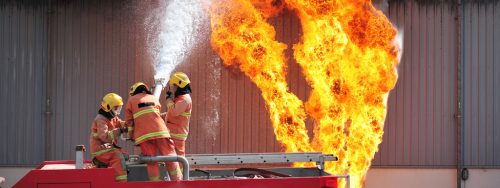
Public address messages must be prepared, practiced, and kept within ordinary language. Time stamps assist, specifically in long events. An instance for an alert tone activation: Focus please. This is the Chief Warden. At 10:42 we have an alarm in the degree 3 kitchen area. Wardens on levels 2 through 4 commence area checks and record. All various other owners, stand by for instructions.
For evacuation announcements, the keywords are place, action, and route. If a main leave is jeopardized, name the alternative very early. Every added sentence includes confusion. This is one location where PUAFER005 operate as part of an emergency control organisation hammers home the skill of concise, exact communication from every warden, not only the Chief.
Radio etiquette issues when smoke and alarms increase anxiousness. I constantly installed 2 guidelines in warden training. Initially, recognize invoice of a job so the Chief Warden understands it landed. Second, when reporting a danger, state the practical repercussion, not just the monitoring. Instead of Door on stair 1 is warm, say Staircase 1 is dangerous, evacuating by means of Stairway 2 west.
Safety choices with genuine consequences
Evacuation is not the only safety and security tool. Shelter in place, compartmentalisation, partial evacuations, and horizontal relocations all have their location. The option relies on the hazard: fire, smoke, chemical spill, physical violence, or outside threat like a poisonous plume or civil disturbance.
In fire occasions, the common rule is to relocate people away from warmth and smoke, comprehensive emergency warden course then out of the structure if secure paths exist. In facilities with high‑rise attributes, vertical motion can be a risk itself. Stairways end up being chokepoints, and a single collapsed individual can obstruct a touchdown. The Chief Warden should consider emptying speed versus stairwell lots. Where pressurised staircases exist, prioritise those. If a stair is smoky, take into consideration delaying low‑risk floorings for getting rid of the damaged degrees and above, then re‑assessing.
In health care and aged treatment, horizontal evacuation through fire areas is often safer and faster than upright discharge. This requires pre‑planning, team numbers, and equipment like emptying sleds. A Chief Warden in these settings requires a deep grip of the fire matrix and a limited relate to professional leadership.
Electrical or plant area occurrences bring various risks. You may have live power, arc flash danger, or gases. In these situations, call with centers monitoring is vital. A Chief Warden must understand precisely who commands to separate systems and exactly how to verify that a seclusion has actually happened. If your structure counts on a BMS to close down air taking care of devices in alarm, verify the status, not simply the command.
Building the ECO: duties, colours, and competence
Colours matter because exposure cuts through sound. In many Australian offices, Chief Warden hats or helmets are white, and wardens use red. Communications police officers frequently wear blue, and very first aiders make use of green. The chief warden hat colour and chief fire warden hat colour convention across Australia leans white, which answers the constant concern, what colour helmet does a chief warden wear. Check your regional requirement or company plan, as some markets fine‑tune colours for added roles.
Beyond colours, proficiency wins. Fire warden training and chief warden training should be normal, scenario‑based, and based in the building's certain threats. The puafer005 course prepares wardens to run as part of an emergency control organisation: sweeping, connecting, aiding evacuation, and reporting. The puafer006 course constructs the leadership muscular tissue to lead an emergency situation control organisation: choice making, interaction technique, and control with responders.
I have actually seen the distinction a certain ECO makes. In a logistics center, a forklift battery fire placed heavy smoke with a 3rd of the storehouse within two mins. The Chief Warden instantly split the evacuation, maintained the south egress clear for a spill set group, and had a floor warden meet the first fire staff at the A‑side roller door with a reveal and MSDS printouts. The structure re‑opened within hours because the ECO had the chaos.
The responsibility cycle before, throughout, and after an incident
Duties change across the lifecycle. Before an event, the Chief Warden owns readiness: staffing the ECO, leading drills, reviewing the emergency strategy, and inspecting equipment like warden intercom phones, radios, and emptying chairs. During an event, the emphasis tightens to command and communication. Afterward, the duty broadens to debrief, documents, and restorative actions.
Readiness begins with genuine numbers. How many people inhabit each flooring at height? What percentage have never participated in a drill? Are change patterns leaving gaps in wardens on evenings or weekends? Do you have a prepare for service providers, clients, and site visitors, who commonly represent 10 to 30 percent of individuals on website? A Chief Warden needs a roster that covers these realities, not an idealised normal.
Fire warden needs in the work environment often consist of a minimal proportion, for example one warden per 20 team in open offices, or one per compartment in medical care. Proportions are a starting factor. The far better examination is insurance coverage by place and function. Can somebody reach every stair door swiftly? Exists a warden that understands how to evacuate the laboratory? Who possesses the day care facility action if you have one? When I audit a site, I map warden insurance coverage by time of day and activity, not just headcount.
During the occurrence, the Chief Warden keeps the moment line in view. Notes issue. A cheap clipboard at the panel with a one‑page event log design template functions. Record time of alarm, orders offered, areas got rid of, service arrival, any diversions from plan, and the time you stated all clear. Those notes end up being gold in the debrief and in regulatory reporting.
After the incident, the debrief is your lever for renovation. Keep it short and structured. Concentrate on what was observed, what was made a decision, and what outcomes adhered to. If interaction fell short on the north staircase due to radio dead areas, test and repair. If a brand-new tenant changed the furnishings strategy and blocked a warden sight line, adjust courses and update the plan.
Training that lands when the alarm system sounds
Effective warden training attracts a straight line from competencies to the building. The puafer005 operate as part of an emergency control organisation web content covers alarm systems and advising systems, discharge principles, and warden obligations. It needs to connect to your real panel, your system, and your emptying maps. Wardens need to practice voice messages, not just review them.
The puafer006 lead an emergency control organisation material includes situation leadership, liaison with emergency situation services, and the coordination of wardens. Below, table‑top exercises beam. Put the Chief Warden at a mock panel. Mimic reports from wardens over the radio. Include an unaccounted individual or a blocked staircase, after that force a decision. 5 differed scenarios will certainly show more than a long lecture.
Fire warden training needs differ by sector, but 2 principles use across the board. Train at induction and freshen at least each year, with extra drills after major fit‑outs or system adjustments. Turn scenarios. Evacuations are not constantly fire. Try a chemical spill on a packing dock, a lift entrapment with smoke in the shaft, or a partial power failure on a summer mid-day. Exercise the handover to emergency services, consisting of a concise briefing: area, type of event, actions taken, condition of residents, and any type of risks such as gas, batteries, or combustibles.

Equipment and infrastructure the Chief Warden should know
A Chief Warden need to be well-versed in the building's safety attributes. That includes the fire indication panel layout, detector and lawn sprinkler areas, the cause‑and‑effect matrix for alarm, alert, and reductions, stairway pressurisation followers, smoke exhaust, and the interface with HVAC. In some facilities, closing down air handling in a zone protects against smoke spread. In others, it is handled automatically. Know which applies prior to the alarm system, not during.
Exits require evaluation. Doors ought to self‑close and lock, seals ought to not be damaged, and nobody should have propped them open with wedges or bins. In high‑traffic rooms, this occurs weekly. Wardens are typically the eyes that locate and repair these problems. The Chief Warden establishes the evaluation timetable and holds supervisors to it.
Communication gear deserves its own checks. Radios should be charged and kept in a known location, ideally in a grab bag at reception or the panel. Spare batteries issue in long occasions. Examine the warden intercom monthly, floor by floor. Keep printed floor plans with marked leaves and hydrants next to the panel. If your command point sheds power, you still need a map.
Common friction factors and how to fix them
Real emergencies reveal tiny oversights. I often discover three persisting friction points.
First, uncertainty concerning authority. New Chief Wardens sometimes think twice to give strong orders since they do not want to interrupt service. The emergency situation plan must mention plainly that the Chief Warden has authority to route emptying and control motion in an emergency situation. Senior supervisors must recommend this in public so nobody threatens the command when it counts.
Second, specialists and site visitors. Access systems and sign‑in applications generate lists, yet those checklists are seldom all set when the alarm seems. The fix is procedural. Reception or the contractor manager becomes a reporting node in the ECO, with an easy role: bring the visitor log or the gadget with the listing to the setting up point and check off known site visitors with the support of floor wardens. In high‑risk centers, concern visitor badges with area codes and a brief emptying guideline published on the back.
Third, wheelchair support. Every structure has individuals that can not take staircases easily, whether permanently or simply today as a result of an injury. The Chief Warden need to preserve a confidential wheelchair assistance plan with alternates for each and every individual. Assembly locations on each degree near staircases, called refuges in some styles, require to be useful, protected, and understood. Emptying chairs audio great in policy, yet they need genuine method. Arrange it, and turn staff.
Working with emergency situation services
A polished handover conserves time. When fire teams show up, the Chief Warden ought to satisfy the police officer in charge at the panel or assigned entry, putting on the chief warden hat or vest for instantaneous acknowledgment. Deal a 30‑second short: building name and address, nature of the event, place by area and degree, what systems have actually activated, actions taken, status of evacuation, and any type of unaccounted persons or unique risks like oxygen stores, lithium batteries, or gas. After that step back and address inquiries. Maintain your radio website traffic clear so you can relay requests from the staffs to wardens, such as validating an area or disabling a device.
After the event, some territories need a composed report, especially when a dud entailed brigade participation. Your case log, alarm system background hard copy, and warden reports will certainly create the backbone of that documents. Use them to fine-tune the strategy and to justify changes in training or equipment.
The human side of a high‑stakes role
Chief Warden is not a ceremonial title. In demanding moments, you will certainly make decisions that influence the safety and security of coworkers, clients, and visitors. It helps to utilize routines to steady yourself. I maintain three anchors.
First, breathe prior to you talk on the PA. One calm breath collections your tone. Second, repeat back essential info on the radio so the sender understands you heard it correctly. Third, imagine the building as you decide. If you recognize your staircases, your areas, and your people, the best instruction ends up being clearer.
You will certainly also feel the pressure to show rate or strength. Do not determine efficiency by just how quickly everyone strikes the walkway. Measure it by whether the motion matched the threat, whether susceptible individuals were supported, whether communication landed, and whether the handover to emergency services was smooth.
Choosing and creating your ECO
Selecting wardens needs greater than a roster exercise. The very best prospects are those with interest to information, calm temperaments, and a determination to practice. Shift insurance coverage matters as much as head count. If your building operates over lengthy hours, purchase additional wardens for early mornings and nights, and take into consideration gratuities or rostered time for training. For sites with several tenants, develop a building‑wide ECO that brings lessee wardens under a common Chief Warden framework for typical areas.
Chief warden requirements differ, yet a solid standard includes completion of a chief warden course lined up to puafer006, experience with your emergency situation strategy, showed radio and PA skill, and engagement in a minimum of 2 drills each year as lead. For brand-new Chief Wardens, trailing the existing lead through drills and table‑tops develops self-confidence before their initial real-time event.
Where formal training fulfills lived practice
Most jurisdictions acknowledge the PUAFER systems as an organized path. Yet badges alone will certainly stagnate people down the stair. The bridge between the puafer005 course and the puafer006 course and day‑to‑day capability is purposeful practice in your building.
If you are applying a fire warden course program, blend concept with building walks, panel time, and map reading. For an emergency warden course concentrated on non‑fire cases, consist of scenarios like gas leaks, fierce burglars, or outside threats requiring shelter in place. Emergency warden training ought to line up with the particular risks of your operations, whether that is an R&D lab, a retail center, a storehouse with high‑bay storage space, or a school.
I like brief, frequent drills over uncommon, intricate ones. Ten minutes every 2 months defeats one grand drill a year. Startle them throughout times and contexts. Draw the alarm at shift change as soon as. Exercise a quiet drill where only wardens move and report. Run a complete evacuation on a stormy day, since that is when people withstand and lessons stick.
A concise reference for the Principal Warden
- Core command cycle: develop control, gather details, make a decision, interact, verify. Communication anchors: clear call indications, brief transmissions, messages with place, action, and route. Safety options: complete or staged discharge, straight moving, or sanctuary in position, based on threat and building design. People emphasis: flexibility assistance strategies, visitors and service providers made up, tested setting up areas. Continuous renovation: case logs, structured debriefs, targeted solutions to comms, paths, and training.
Final ideas from the field
When smoke is in the air, individuals listen to the clearest voice. A Chief Fire Warden earns that interest by preparing relentlessly, practicing choices, and developing a team that can perform under stress. The title carries certain tasks, from incident command to interaction and safety and security management, and the skills are teachable through warden training anchored in PUAFER005 and PUAFER006. The art beings in using those skills to the facts of your structure, your people, and your risks.
Whether you use the white chief warden hat in a tiny office or coordinate a big ECO across numerous towers, the core remains the exact same. Know your plan, know your structure, recognize your team. After that, when the alarm system sounds, do the basic things well and in the best order. That is exactly how you transform a poor minute right into a safe outcome.
Take your leadership in workplace safety to the next level with the nationally recognised PUAFER006 Chief Warden Training. Designed for Chief and Deputy Fire Wardens, this face-to-face 3-hour course teaches critical skills: coordinating evacuations, leading a warden team, making decisions under pressure, and liaising with emergency services. Course cost is generally AUD $130 per person for public sessions. Held in multiple locations including Brisbane CBD (Queen Street), North Hobart, Adelaide, and more across Queensland such as Gold Coast, Sunshine Coast, Toowoomba, Cairns, Ipswich, Logan, Chermside, etc.
If you’ve been appointed as a Chief or Deputy Fire Warden at your workplace, the PUAFER006 – Chief Warden Training is designed to give you the confidence and skills to take charge when it matters most. This nationally accredited course goes beyond the basics of emergency response, teaching you how to coordinate evacuations, lead and direct your warden team, make quick decisions under pressure, and effectively communicate with emergency services. Delivered face-to-face in just 3 hours, the training is practical, engaging, and focused on real-world workplace scenarios. You’ll walk away knowing exactly what to do when an emergency unfolds—and you’ll receive your certificate the same day you complete the course. With training available across Australia—including Brisbane CBD (Queen Street), North Hobart, Adelaide, Gold Coast, Sunshine Coast, Toowoomba, Cairns, Ipswich, Logan, Chermside and more—it’s easy to find a location near you. At just $130 per person, this course is an affordable way to make sure your workplace is compliant with safety requirements while also giving you peace of mind that you can step up and lead when it counts.